Shooting Club Logo: A Designer's Embroidery Review
As a designer who spends more time staring at stitch simulations than most people care to admit, I approach new Logos and Graphics with a healthy dose of skepticism. We have all downloaded a "perfect" vector file only to realize it turns into a bird's nest of thread once it hits the machine. That is why I took a close look at the Shooting Club Logo Illustration before committing it to any client project. This isn't just about whether it looks good on a screen; it is about whether it survives the transition from digital asset to tangible, stitched reality.
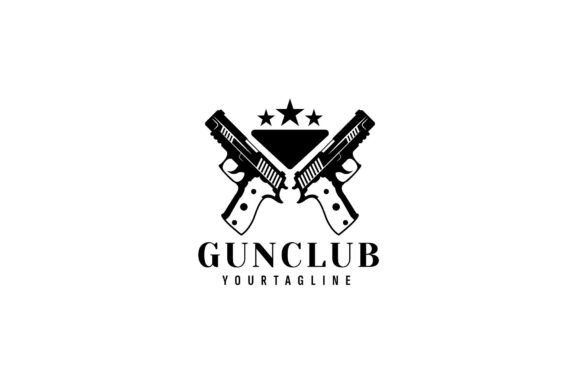
My first impression of the Shooting Club Logo Illustration was its structural integrity. Since the product description highlights that it is fully vector-based and scalable, the lines appear crisp and deliberate. For an embroidery designer, this is the green light we need. A logo intended for a shooting club needs to convey precision, stability, and a touch of rugged tradition. The visual personality here feels appropriate—it avoids being overly cartoonish while maintaining enough character to stand out on apparel. The layout suggests a balanced composition, which is crucial when you are trying to fit a design into a circular hoop or onto the curved front of a cap.
Putting the Design to the Test: Real-World Scenarios
To truly evaluate this embroidery project, I imagined a specific real-life scenario. Picture a local sporting goods boutique or a private range owner who wants to upgrade their merchandise. They need a batch of custom embroidered tote bags for members and high-quality sweatshirts for staff. This is where the Shooting Club Logo Illustration shines. Because the source file is 100% editable and scalable, I can resize it without worrying about pixelation or losing resolution. This flexibility is vital when moving from a small chest logo on a polo shirt to a large back print on a heavy hoodie.
In terms of custom apparel, I envision this design working exceptionally well on structured fabrics. A canvas tote bag design would provide the stability needed for clean stitching, allowing the details of the logo to pop. Similarly, for sweatshirt embroidery, the bold lines of a club logo usually translate well into satin stitches or dense fill stitches, creating a premium feel that customers associate with official merchandise. If I were an Etsy seller specializing in personalized gifts, I could easily adapt this for a hunter's birthday gift or a Father's Day present, perhaps adding a name underneath using the font link provided in the notes.
The versatility extends to commercial embroidery projects as well. Whether it is branding for a team uniform or creating an embroidered patch for a jacket, the scalability ensures the design remains legible. However, the transition from RGB colors on the screen to actual thread colors requires careful consideration. The design uses standard RGB values, which means I would need to map these carefully to my thread chart to ensure the greens, browns, or metallics (common in shooting themes) match the brand identity accurately.
Technical Considerations and Fabric Compatibility
While the Shooting Club Logo Illustration offers great potential, a professional reviewer must also highlight where caution is needed. Not every fabric plays nice with every design. If you are planning to stitch this onto stretchy knits or thin, delicate fabrics, you must pay attention to stitch density. Logos often contain solid areas that, if digitized too densely, can cause puckering or make the fabric stiff and uncomfortable to wear. Always test the design on scrap fabric first. This simple step saves hours of frustration and ruined garments.
Curved surfaces present another challenge. If you are applying this to a cap, the curvature can distort the perception of the logo. The horizontal elements of the Shooting Club Logo Illustration might need slight adjustment in the digitizing phase to compensate for the dome shape of the hat. Furthermore, if the design includes tiny lettering or intricate corners, these details might get lost if the hoop size is too small or if the thread weight is too thick. For dark fabrics, ensure there is sufficient contrast in your thread selection; a dark logo on a black sweatshirt will vanish unless you use underlay stitching effectively or choose lighter accent colors.
For items that require frequent washing, like kitchen towels or aprons, the durability of the stitch matters. A running stitch outline might be elegant but less durable than a tight satin stitch border. Since this is a vector graphic intended for print and potentially embroidery, the end-user must ensure the digitized version matches the quality of the original vector. If you are creating a printable mockup for a client presentation, the high-resolution vector allows for stunning visuals, but remember to clarify that the physical stitched product may have slight textural differences.
Enhancing Brand Value and Customer Trust
Ultimately, the goal of using a design like the Shooting Club Logo Illustration is to elevate the perceived value of the finished product. A well-executed logo on a garment signals professionalism. For small business owners and craft business operators, consistency is key. Using a scalable, editable logo ensures that every item leaving your shop—from a baby onesie to a heavy blanket—looks like it belongs to the same family. This consistency builds brand recognition and fosters customer trust.
When customers see a clean, sharp logo, they perceive the item as higher quality. This is especially true for holiday embroidery gifts or wedding presents where presentation is everything. The ability to edit the colors means you can customize the Shooting Club Logo Illustration to match specific team colors or seasonal themes, adding a layer of personalization that drives sales for handmade product creators. However, always verify the licensing terms. Just because a file is editable does not automatically grant unlimited commercial rights. Confirm whether you can sell the digital file itself or only the physical items created with it.
Final Verdict and Designer Notes
The Shooting Club Logo Illustration is a robust starting point for a variety of projects. Its vector nature makes it a flexible asset for both digital and physical applications. To get the best results, keep these practical tips in mind:
- Check Thread Contrast: Before stitching, lay out your thread spools against the fabric to ensure the colors pop.
- Review Stitch Density: If digitizing yourself, reduce fill density on stretchy fabrics to prevent puckering.
- Test on Scraps: Never run a new design on a final garment without a test run on similar material.
- Inspect Small Details: Zoom in on the vector file to ensure no stray points or overlapping paths exist before sending to the machine.
- Confirm Licensing: Double-check the usage rights regarding selling finished items versus reselling the design assets.
- Mockup Variations: Create black and white mockups to see how the design holds up without color reliance.
In conclusion, for designers looking for a reliable, scalable graphic to anchor their next line of custom apparel or small shop product offerings, this logo delivers. It balances aesthetic appeal with the technical requirements of embroidery, provided the user respects the limitations of their materials and machinery. With the right preparation, the Shooting Club Logo Illustration can become a staple in your portfolio of successful projects.